
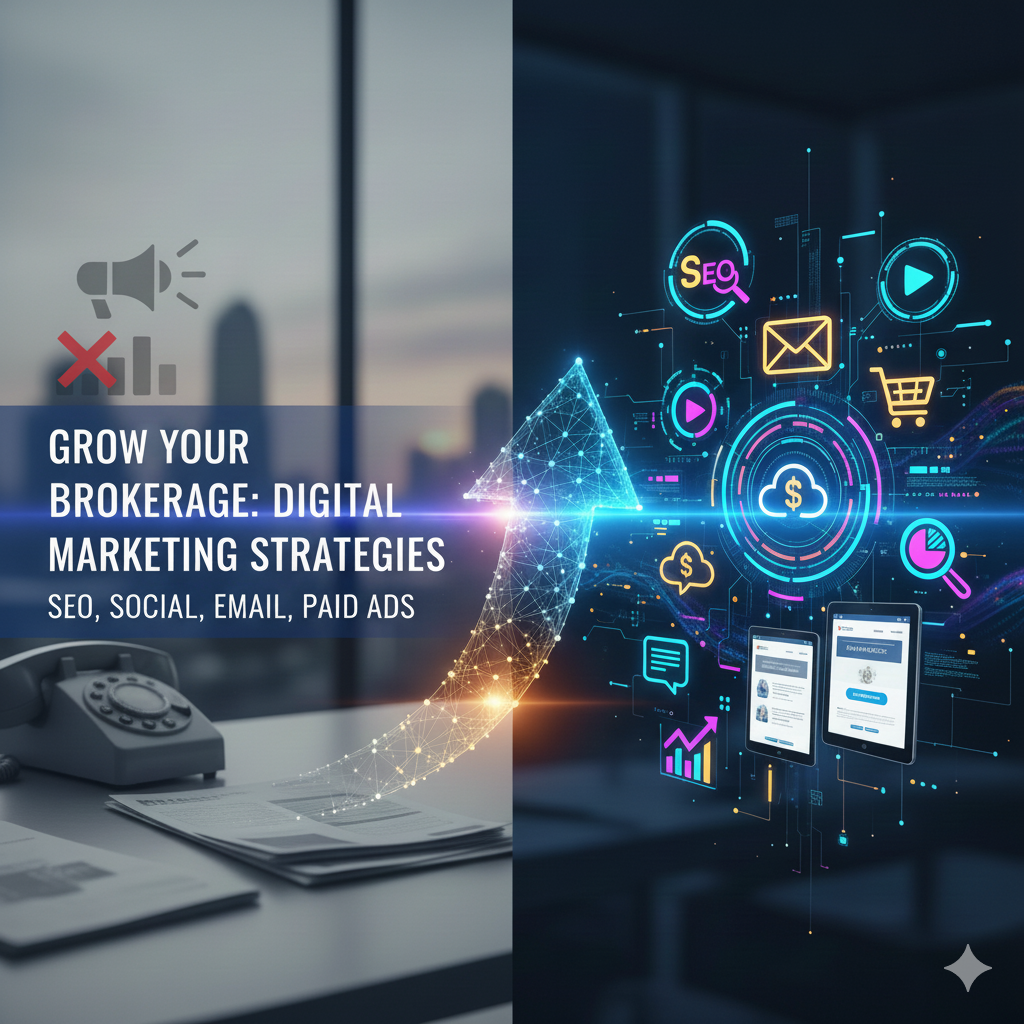
Boost leads and grow your insurance brokerage with proven digital marketing strategies, SEO, social media, email campaigns, and paid advertising.
In today’s competitive insurance industry, digital marketing for insurance brokers is no longer optional—it’s essential. Traditional marketing methods like cold calling and print ads are losing their impact, while modern strategies like social media, SEO, and email campaigns are transforming how brokers attract, engage, and convert clients. Leveraging digital marketing techniques can help insurance brokers stand out, generate more leads, and ultimately grow their business.
This comprehensive guide will provide actionable insights and strategies to help insurance brokers dominate the digital space.
Why Digital Marketing is Crucial for Insurance Brokers
Insurance is a highly competitive industry, and customers now turn to the internet to research policies and providers. Here’s why digital marketing matters:
- Increased Visibility: Most clients search online before buying insurance. Digital marketing ensures your services appear in search results when prospects are looking for insurance options.
- Cost-Effective Lead Generation: Compared to traditional methods, digital marketing for insurance brokers is highly measurable and often more affordable.
- Targeted Outreach: Digital strategies allow brokers to target specific demographics, regions, and customer types, improving the quality of leads.
- Improved Engagement: Interactive tools like social media polls, email newsletters, and chatbots help build trust and maintain relationships with clients.
Key takeaway: Brokers who invest in digital marketing are more likely to capture high-intent leads and improve client retention.
Understanding Your Target Audience
Before implementing any strategy, insurance brokers must clearly understand their target audience. Different policies appeal to different groups:
- Life Insurance: Families, working professionals, retirees.
- Health Insurance: Individuals with chronic conditions, families, senior citizens.
- Auto Insurance: Car owners, ride-share drivers, young drivers.
- Business Insurance: Entrepreneurs, SMEs, large corporations.
Creating buyer personas helps brokers tailor content, ads, and messaging to the needs of specific audiences. Tools like Google Analytics, social media insights, and surveys can provide valuable audience data.
SEO for Insurance Brokers: How to Rank Higher
Search Engine Optimization (SEO) is a cornerstone of digital marketing. With SEO for insurance brokers, your website can attract organic traffic from Google, which often converts better than cold leads.
Key SEO Strategies:
- Keyword Research: Identify high-intent keywords like “life insurance quotes,” “health insurance broker near me,” or “affordable business insurance.”
- On-Page SEO: Optimize page titles, meta descriptions, headings, and content with target keywords. Include local SEO phrases like city names for localized searches.
- Content Marketing: Create blogs, guides, and FAQ pages addressing common insurance queries. Example topics: “Top 5 Life Insurance Mistakes to Avoid” or “How to Choose the Best Auto Insurance.”
- Local SEO: Claim your Google Business Profile and optimize it with accurate contact information, reviews, and images. Local SEO ensures you appear in “near me” searches.
- Backlink Building: Obtain backlinks from reputable financial blogs, news sites, and industry portals to increase domain authority.
Tip: Consistency is key. Regularly updated blogs and content can significantly improve your search engine rankings.
Paid Advertising for Insurance Brokers
While SEO brings organic leads, paid advertising offers immediate results. Pay-per-click (PPC) campaigns allow insurance brokers to display ads to high-intent users on Google and social media.
Effective Paid Advertising Strategies:
- Google Ads: Target keywords like “buy health insurance online” or “best auto insurance broker.” Use ad extensions to show phone numbers and local addresses.
- Facebook and Instagram Ads: Perfect for promoting insurance policies to specific age groups, interests, and geographic locations.
- LinkedIn Ads: Ideal for business insurance targeting entrepreneurs and professionals.
- Retargeting Campaigns: Show ads to users who visited your site but didn’t convert. Retargeting increases lead conversion by reminding users about your services.
Pro tip: Monitor ad performance closely using analytics and adjust targeting or ad copy to maximize ROI.
Content Marketing: Educate and Build Trust
Insurance is a complex product, and clients prefer working with brokers they trust. Content marketing allows brokers to educate clients, answer common questions, and establish authority.
Types of Content:
- Blog Posts: Address pain points and provide solutions, like “What Does Life Insurance Cover?”
- Videos: Explain policy terms, customer testimonials, or step-by-step guides. Video content is highly engaging and shares well on social media.
- E-books & Guides: Offer free downloadable guides on topics like “Understanding Health Insurance Plans” to collect email leads.
- Webinars: Host online sessions to educate clients and showcase expertise.
Tip: Focus on content that provides value. Informative and engaging content builds trust and encourages clients to choose your brokerage.
Social Media Marketing for Insurance Brokers
Social media is a powerful tool to connect with prospects and nurture leads. Platforms like Facebook, Instagram, LinkedIn, and Twitter can help brokers maintain visibility and interact directly with their audience.
Social Media Best Practices:
- Regular Posting: Share industry updates, tips, and success stories to keep followers engaged.
- Interactive Content: Polls, Q&A sessions, and quizzes increase engagement.
- Paid Social Ads: Boost key posts to reach your target audience effectively.
- Community Engagement: Join local and industry-specific groups to network and build credibility.
Key takeaway: Social media allows brokers to humanize their brand and develop lasting client relationships.
Email Marketing: Nurturing Leads
Email marketing remains one of the most effective channels for insurance brokers. It allows for personalized communication and lead nurturing.
Tips for Effective Email Marketing:
- Segmented Lists: Group clients based on policy type, interest, or stage in the buying journey.
- Personalized Content: Address clients by name and send tailored offers.
- Automated Drip Campaigns: Automate follow-ups to educate prospects over time.
- Engaging Subject Lines: Ensure emails are opened and read. Use phrases like “Get Your Free Insurance Quote Today.”
Pro tip: Consistency in email marketing helps build trust and improves conversion rates.
Website Optimization for Insurance Brokers
Your website is the hub of your digital marketing efforts. An optimized website can turn visitors into clients.
Website Optimization Tips:
- Responsive Design: Ensure your website works flawlessly on desktops, tablets, and mobile devices.
- Clear CTA (Call-to-Action): Buttons like “Get a Free Quote” or “Speak to a Broker” guide users toward conversion.
- Fast Loading Speed: Slow websites hurt rankings and user experience. Use tools like Google PageSpeed Insights.
- Trust Signals: Display client testimonials, certifications, and policy provider logos to build credibility.
- Lead Capture Forms: Collect visitor information with minimal friction for follow-ups.
Tip: A well-designed, fast, and user-friendly website significantly increases lead conversion rates.
Analytics: Measure and Improve Performance
Digital marketing is highly data-driven. Tracking and analyzing metrics help brokers optimize campaigns and improve ROI.
Key Analytics Tools:
- Google Analytics: Monitor website traffic, user behavior, and conversion rates.
- Facebook Insights & LinkedIn Analytics: Track social media engagement, reach, and conversions.
- CRM Software: Manage leads, automate follow-ups, and track interactions with clients.
- A/B Testing: Test different headlines, ad copies, and landing pages to identify what works best.
Key takeaway: Regularly analyzing results helps brokers make informed decisions and continually improve marketing strategies.
Compliance Considerations for Insurance Marketing
Insurance marketing is regulated in most countries. Brokers must ensure their campaigns comply with industry laws.
- Transparent Advertising: Avoid misleading claims.
- Data Privacy: Comply with GDPR or local data protection laws when collecting client data.
- Proper Disclaimers: Include policy terms, conditions, and disclaimers where necessary.
Tip: Compliance ensures credibility and avoids legal penalties.
Conclusion: Start Your Digital Marketing Journey Today
Digital marketing has become essential for insurance brokers looking to thrive in a competitive industry. By combining SEO, social media, email campaigns, paid advertising, and content marketing, brokers can increase visibility, generate high-quality leads, and build lasting relationships with clients.
Key Takeaways:
- Understand your target audience and tailor your marketing strategy.
- Focus on SEO and content marketing to attract organic leads.
- Utilize paid ads and retargeting for immediate lead generation.
- Leverage email and social media marketing to nurture relationships.
- Continuously analyze and optimize campaigns for better ROI.
- Ensure compliance with industry regulations to maintain trust.
Insurance brokers who adopt a comprehensive digital marketing strategy will not only survive but thrive, standing out in a crowded market while delivering exceptional value to their clients.

Leave a Reply to A WordPress Commenter Cancel reply